How SEO Affects Your Business: What the Data Actually Says
Organic search drives over half of all website traffic, yet the top three results capture most of the clicks — and AI answers are rewriting the rules. Here's what verified research says SEO is worth to your business, and how to find out where you stand in 60 seconds.
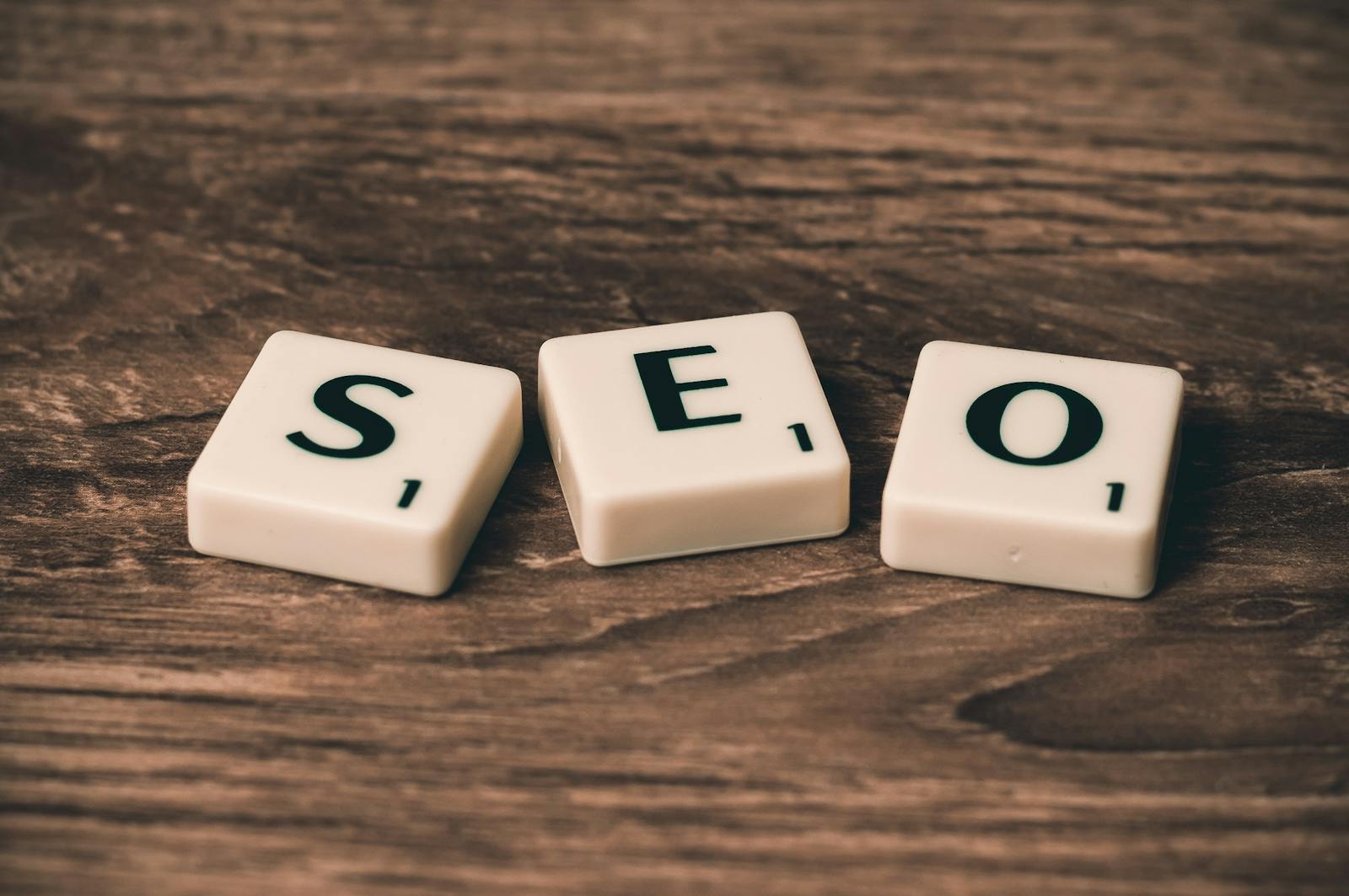
Almost every buying decision now starts the same way: someone types a problem into a search box. Whether they find you, a competitor, or nobody at all is not luck — it's the direct output of how your website is built, structured, and maintained. That's what SEO actually is: not a marketing garnish, but the discipline that decides how much of your market ever sees you.
The claims around SEO are often inflated, so this post sticks to numbers you can trace to their original studies — and ends with a way to see exactly where your own site stands.
Search is most businesses' single largest traffic source
BrightEdge Research analyzed billions of sessions across thousands of domains and found that organic search drives 53% of all trackable website traffic — more than paid search (15%), organic social (5%), and every other channel combined. For B2B companies it's even more lopsided: more than 75% of traffic arrives through organic and paid search together.
The business translation: for a typical company, more than half of every future customer's first impression is decided by search rankings you either earn or forfeit. If your site has technical problems that suppress rankings, the damage isn't a vanity metric — it's a percentage of your pipeline that quietly never arrives.
Rankings aren't linear — search is winner-take-most
It's tempting to think moving from position 8 to position 4 and from position 4 to position 1 are similar wins. The data says otherwise. Backlinko's analysis of 4 million search results found the #1 organic result averages a 27.6% click-through rate, and the top three positions capture 54.4% of all clicks.
Below that, attention collapses fast.
"Only 0.63% of Google searchers click anything on the second page of results."
— Backlinko, analysis of 4 million search results
For a business, that means page two is functionally invisible — and every position gained near the top of page one compounds disproportionately. A site that climbs from #6 to #2 on a commercial keyword doesn't get a little more traffic; it can multiply it. This is also why SEO problems are expensive to ignore: a broken canonical tag or an accidental noindex doesn't cost you a few visits, it can remove you from the auction entirely.

SEO compounds. Ads stop the moment you stop paying.
Paid search is a faucet: turn it on, leads flow; turn it off, they stop. SEO behaves like an asset. A page that earns a durable ranking keeps producing visits, leads, and sales month after month without a per-click fee, which is why mature organic programs tend to deliver a lower blended acquisition cost over time — and why the two channels work best together: paid buys immediate coverage while organic equity builds.
There's a defensive angle too. Your brand name, your product category, your best customers' questions — if you don't hold those results, a competitor or an affiliate will happily rank for them instead.
The 2026 wrinkle: AI answers and zero-click search
Two structural shifts are changing what SEO is worth — and both raise the bar rather than lowering it.
First, many searches now end without a website visit at all. The SparkToro × Datos clickstream study found that 58.5% of US Google searches end without a click to the open web — users get their answer on the results page or refine their query.
Second, AI-generated answers are absorbing clicks that used to reach top-ranked pages. Ahrefs studied 300,000 keywords with Google Search Console data and measured a 34.5% lower click-through rate for the #1 result when an AI Overview is present on informational queries.
The honest takeaway isn't "SEO is dying" — it's that casual SEO is dying. The clicks that remain skew toward searchers with real intent, which makes them more valuable, and the sites that win them are the ones with clean technical foundations, content that matches commercial intent (not just information), and structured data that makes them citable by AI answers. The fundamentals stopped being optional.
What actually moves the needle
For most small and mid-sized businesses, the highest-ROI SEO work is unglamorous, and it's the same checklist Google's own SEO starter guide keeps pointing to:
- Indexability first. One stray noindex tag, a broken robots.txt, or a misfired canonical outweighs everything else on this list — it decides whether you're in the game at all.
- Titles and descriptions as ad copy. They're the only part of your SEO a searcher actually reads; length and clarity directly change your click-through rate.
- Pages that match intent. A page per real question or buying scenario beats one generic page trying to rank for everything.
- Structured data. JSON-LD markup earns richer listings — and makes your content legible to the AI answers absorbing those zero-click searches.
- Speed and mobile experience. Core Web Vitals are a ranking input, and they compound with conversion: faster pages rank better and sell better.
Find out where you stand — in about 60 seconds, free
Everything above only becomes actionable once you know which of it applies to your site. That's exactly why we built Optima — our free SEO AI Expert Engine.
Paste any URL and Optima runs 21 weighted checks — indexability, titles and descriptions, headings, structured data, social cards, redirects, sitemaps — and hands back a 0–100 score with a plain-English, impact-ranked fix plan. It also runs the open-source Lighthouse engine against the rendered mobile page for the Core Web Vitals scores Google actually uses, and it can audit up to 20 pages of your site in one pass to catch duplicate titles, missing descriptions, and broken pages.
No signup to scan, and the full report is free with an email. Run your free scan at remptek.com/seo →
And if the fix list is longer than your team has hands for — that's the business RempTek is in. From SEO fixes to AI agents that answer, route, and follow up with the leads your rankings bring in, we build the automation that turns traffic into revenue.
Ready to automate your own workflows?
Book a free automation map and find your highest-leverage first workflow.